Lemurs: Madagascar's unique primates
Lemurs are among the most intriguing primates on Earth, found exclusively in Madagascar, where they evolved in splendid isolation. Over 100 species exist today, showcasing extraordinary diversity, from the tiny mouse lemur to the indri, famous for its haunting songs. Iconic ring-tailed lemurs, with their bold striped tails, are highly social. As key seed dispersers and pollinators, they are essential to Madagascar's unique ecosystems. Sadly, habitat destruction and hunting have made lemurs the world's most endangered mammals.
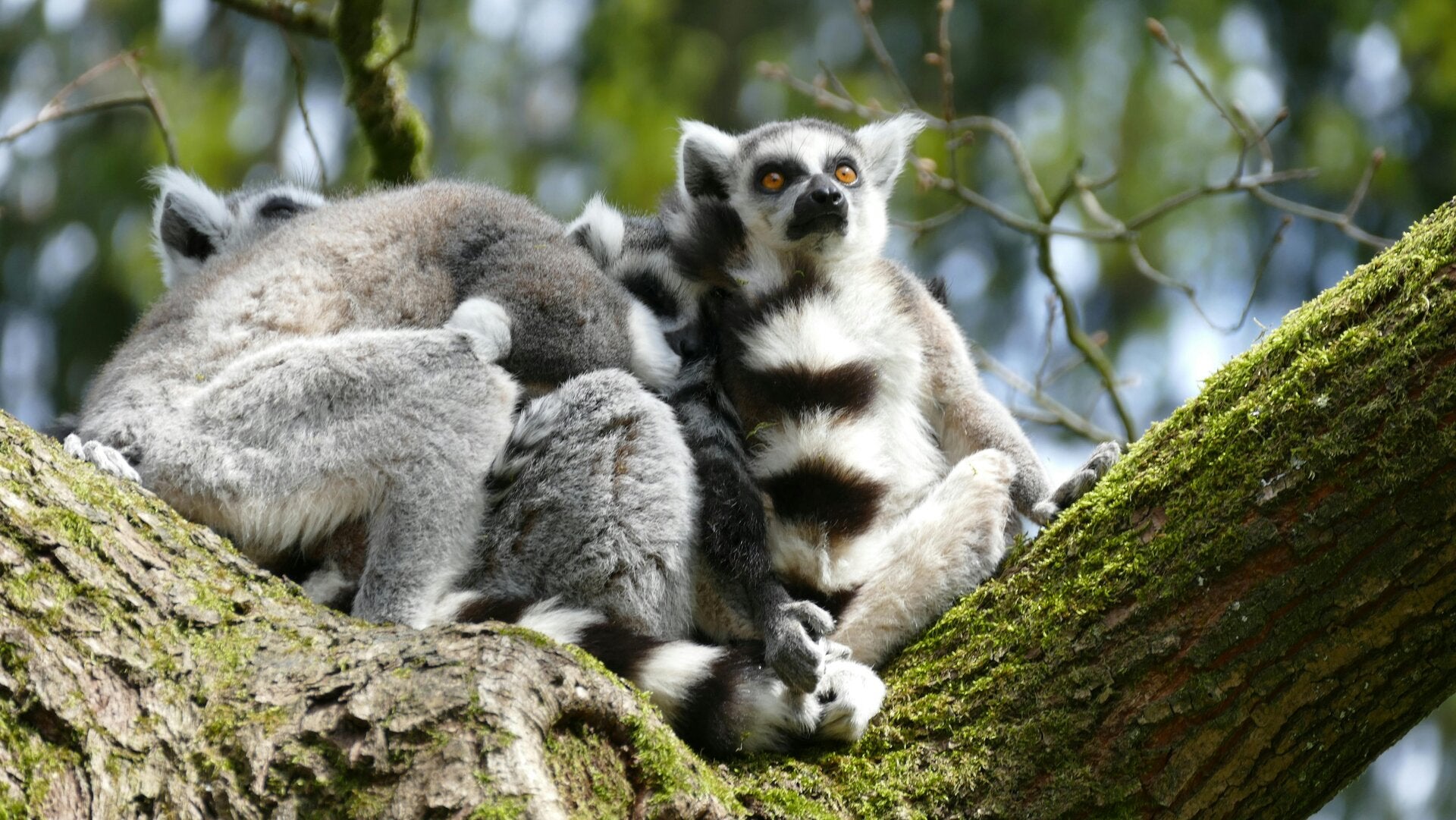
A world apart: Evolved in isolation
Lemurs are found ONLY in Madagascar, a result of their ancestors arriving on floating vegetation millions of years ago. This isolation led to the evolution of over 100 unique species, a prime example of adaptive radiation. From the tiny mouse lemur, the world's smallest primate, to the indri, known for its haunting songs, their diversity is astounding. Iconic ring-tailed lemurs, with their bold striped tails, are highly social and famously 'sunbathe' to warm up.
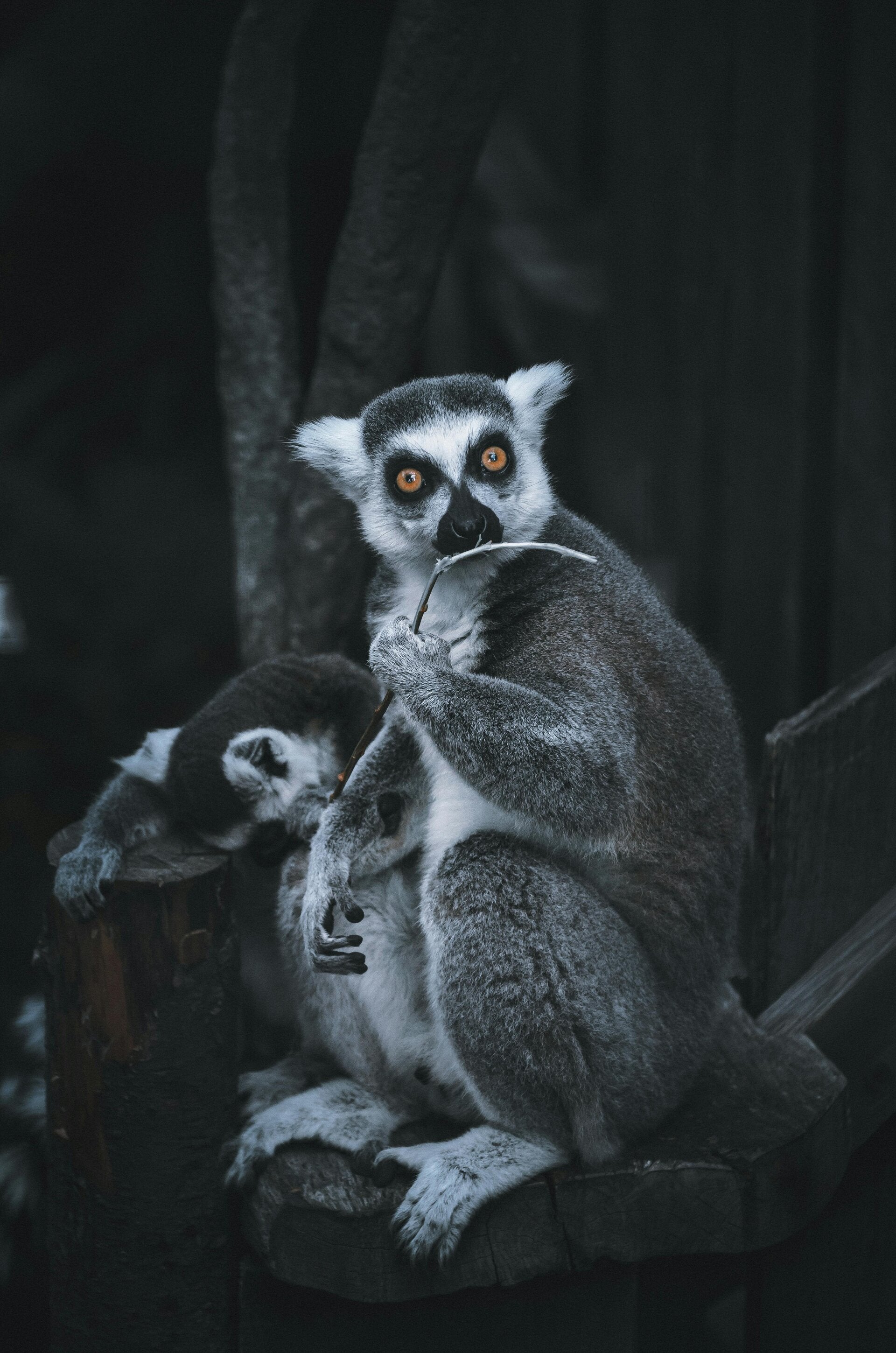
The world's most endangered mammals
Tragically, lemurs are the world's most endangered group of mammals, with nearly all species (98%) threatened with extinction. Primary threats include rapid deforestation, slash-and-burn agriculture, illegal logging, and hunting. Habitat loss has devastated Madagascar's forests, pushing these unique primates to the brink. Understanding their plight is crucial for their survival.
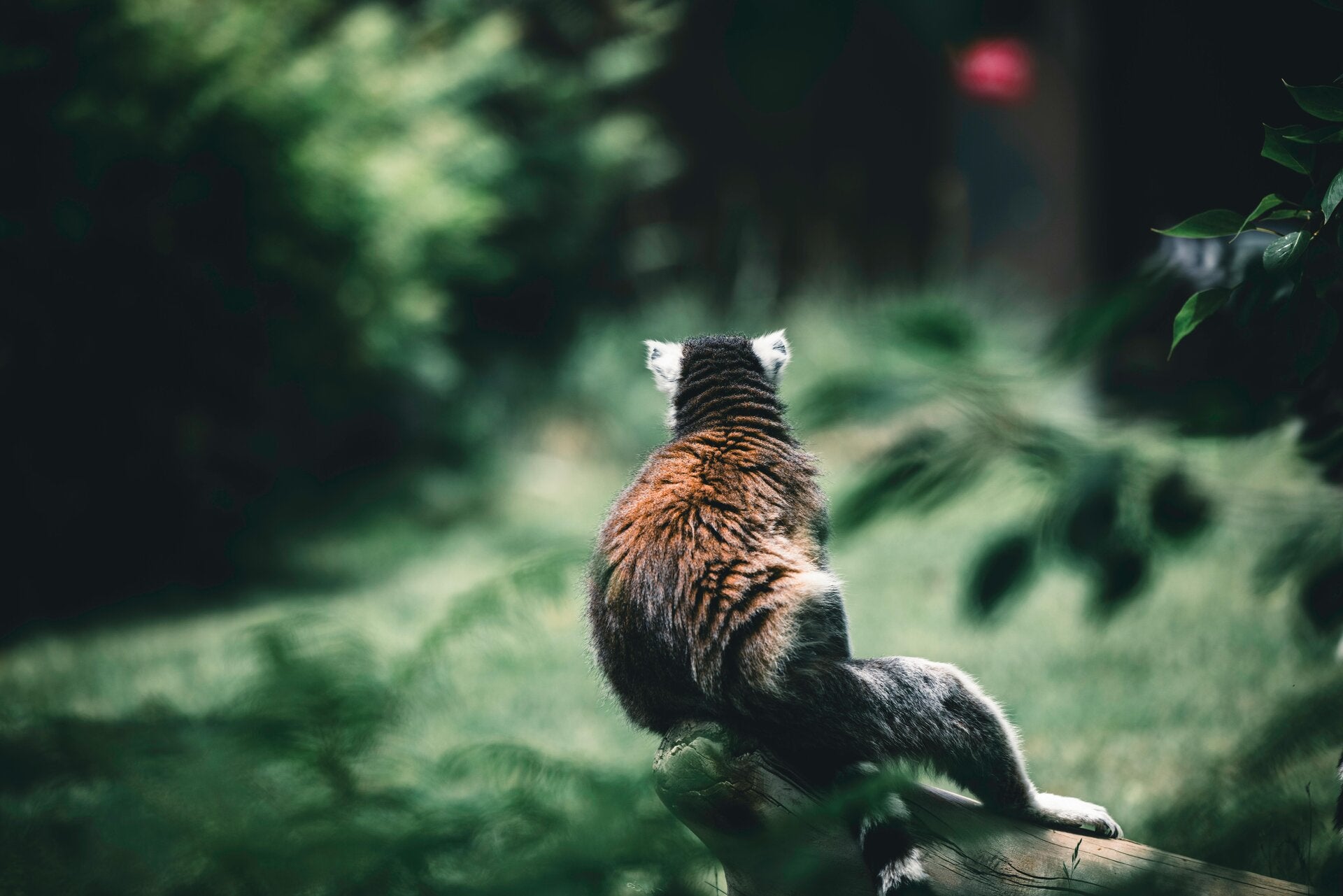
Essential ecosystem engineers
Lemurs are not just fascinating; they are vital 'ecosystem engineers.' As seed dispersers, pollinators, and fruit-eaters, they play a crucial role in maintaining the health and biodiversity of Madagascar's forests. Losing lemurs would trigger a cascade of negative impacts, threatening an entire unique ecosystem. Protecting them means safeguarding Madagascar's rich biodiversity for future generations to study and appreciate.
Create Your Own Website With Webador