Conservation Efforts
Discover how we can collectively protect lemurs, bats, and cougars by understanding their unique digestive systems and the critical importance of their habitats.

Digestive Adaptations and Diet
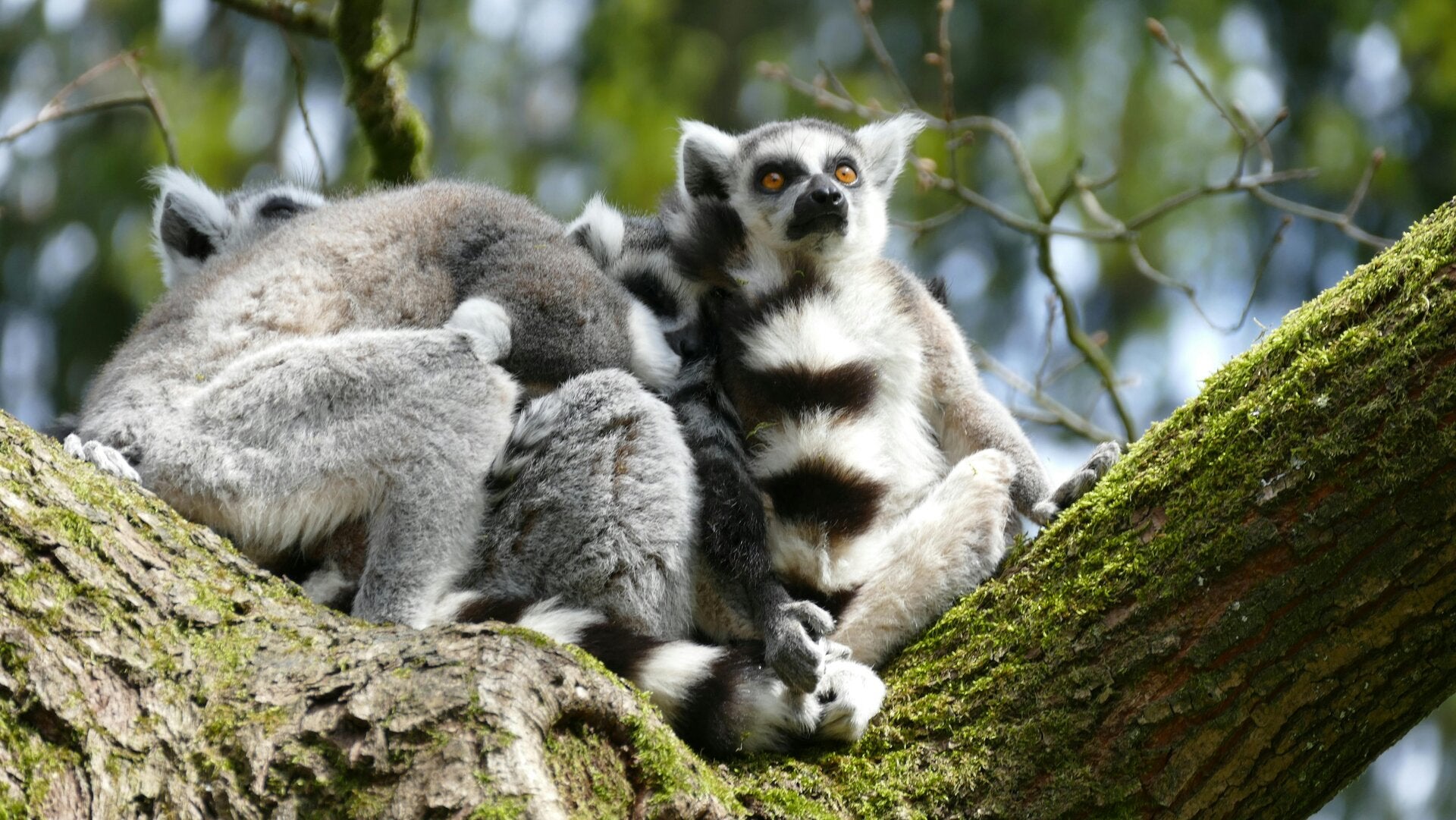
The digestive systems of animals are closely adapted to their diets, a fact clearly seen in species such as the Cougar, Bat, and Lemur. Cougars, as strict carnivores, primarily hunt deer and other mammals. Their digestive tracts are short and simple, designed for efficient meat digestion. Bats exhibit more variation; insect-eating bats have fast digestive systems, while fruit and nectar feeders have adaptations suited to their specific food sources. Lemurs, native to Madagascar, have digestive systems adapted to process a varied diet of fruits, leaves, flowers, and insects.
The Importance of Habitat Protection
Protecting animals like the Cougar, Bat, and Lemur involves safeguarding their natural food sources and habitats. Cougars need healthy prey populations, which are supported by preserved wild lands. Bats rely on abundant insects and flowering plants, underscoring the need to reduce pesticide use and protect native flora. Lemurs depend on forests for food and shelter. Conservation efforts that protect habitats, restore forests, and promote biodiversity are crucial for the survival of these species and the maintenance of healthy ecosystems.

Supporting Conservation Initiatives
Numerous organizations are dedicated to the conservation of these vital species. By supporting initiatives that focus on habitat restoration, anti-poaching efforts, and community education, we can make a significant impact. Learn more about how you can contribute to these efforts through local and international conservation projects.
Create Your Own Website With Webador