The Marvelous World of Bats
Bats are more than just nocturnal creatures; they are vital to our planet's ecosystems. Discover the incredible diversity and unique adaptations of these fascinating flying mammals, from their remarkable echolocation abilities to their essential roles in pollination and pest control. Join us in learning more about these extraordinary animals and why their conservation is so important.

Unique Adaptations and Diversity
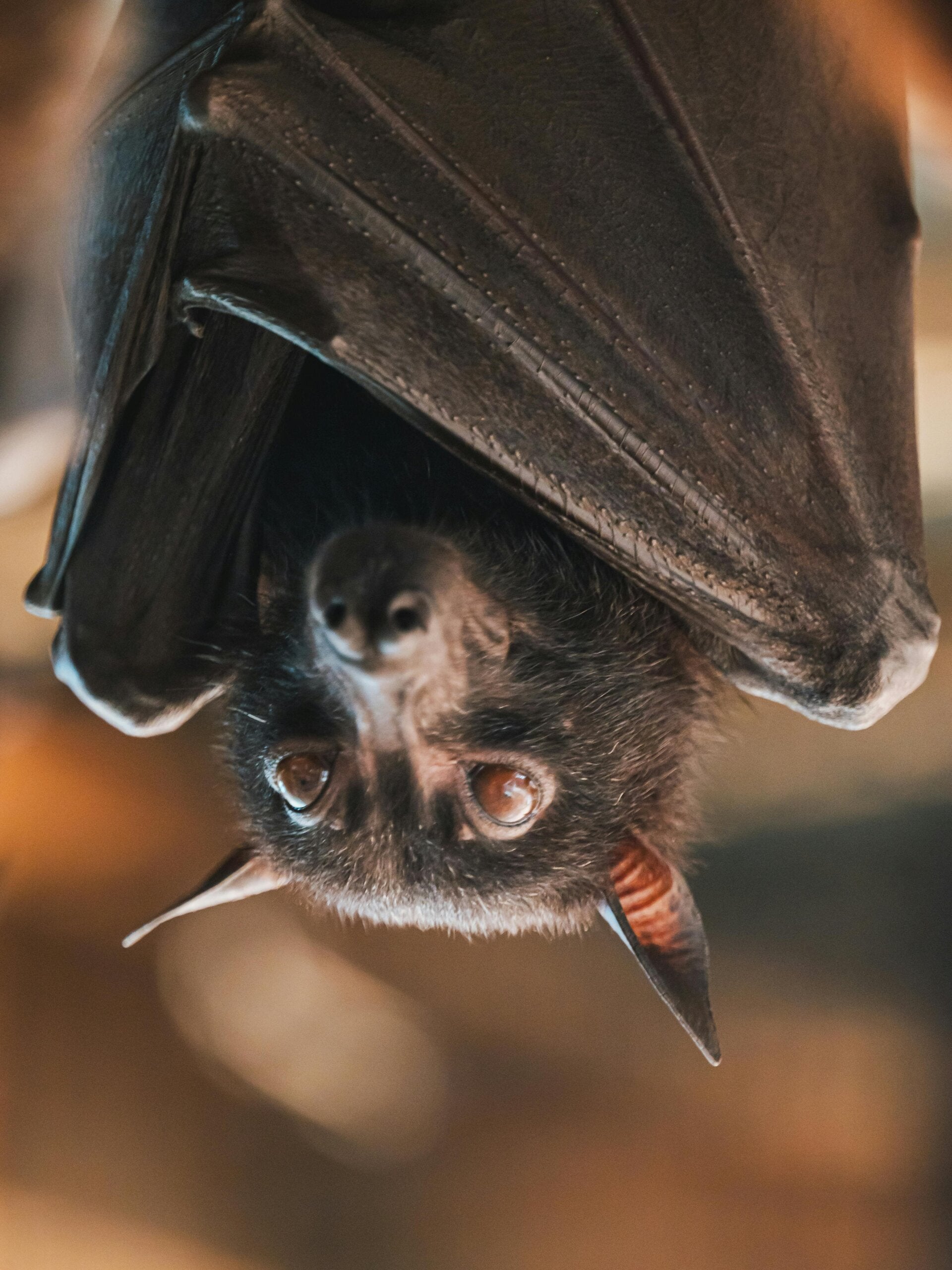
Bats are truly unique flying mammals, with over 1,400 species making them one of the most diverse mammal groups globally. Unlike birds, their flight is achieved through thin membranes of skin stretched between their elongated fingers and bodies. Many species navigate and hunt using a sophisticated system called Echolocation. This incredible ability allows them to emit high-frequency calls and interpret the echoes, enabling them to find insects and avoid obstacles even in complete darkness.
In North America, bats like the Little Brown Bat and the Mexican Free‑tailed Bat are crucial allies to farmers, consuming vast quantities of insects each night and significantly reducing crop pests. Around the world, other bats play indispensable roles by feeding on fruit and nectar, aiding in plant pollination and seed dispersal in tropical forests.
Ecological Importance
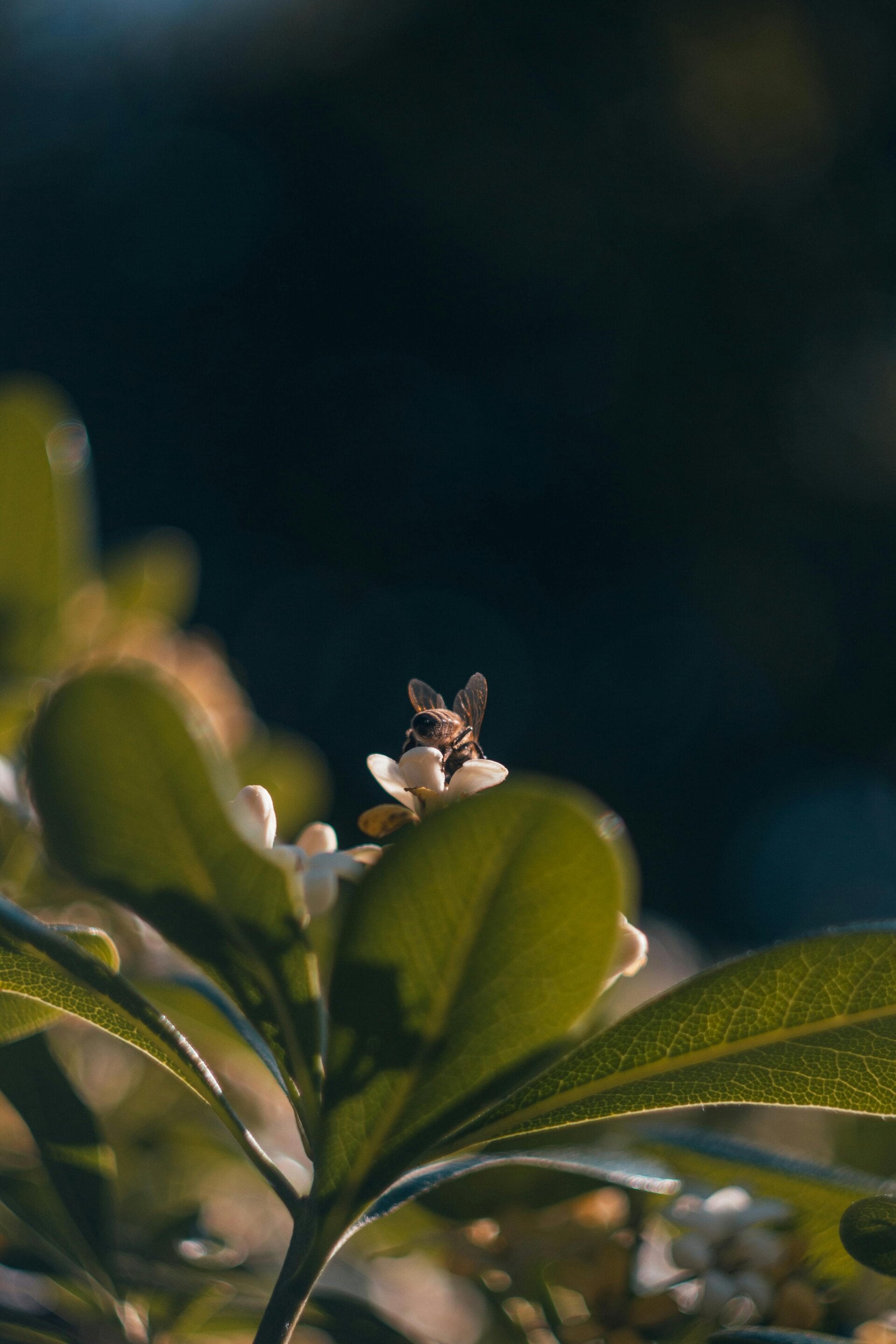
Bats are indispensable to the health of our ecosystems. As pollinators and seed dispersers, they contribute significantly to the growth and regeneration of forests, particularly in tropical regions. Their role in controlling insect populations is also invaluable, providing natural pest management that benefits agriculture and reduces the need for harmful pesticides.
The SanLuisObispoNormalSchoolCantonmentCougars educational website is designed for curious learners of all ages. Whether you are a student researching for a project, a teacher looking for educational materials, or simply a nature enthusiast eager to learn more, this site offers insights into the fascinating lives of bats.
Conservation Challenges
Unfortunately, many bat populations worldwide are facing significant declines. Habitat loss, human disturbance of sensitive roosting sites like caves, and the devastating impact of diseases such as White‑nose Syndrome are major threats. Protecting crucial bat habitats and raising public awareness about their ecological importance are vital steps in ensuring their survival.
After visiting this page, we hope you will understand the incredible diversity, unique adaptations, and essential ecological roles of bats. You'll appreciate their importance in pollination, seed dispersal, and insect control, and recognize the threats they face. We encourage you to share this knowledge and support conservation efforts to protect these marvelous creatures.
Create Your Own Website With Webador